
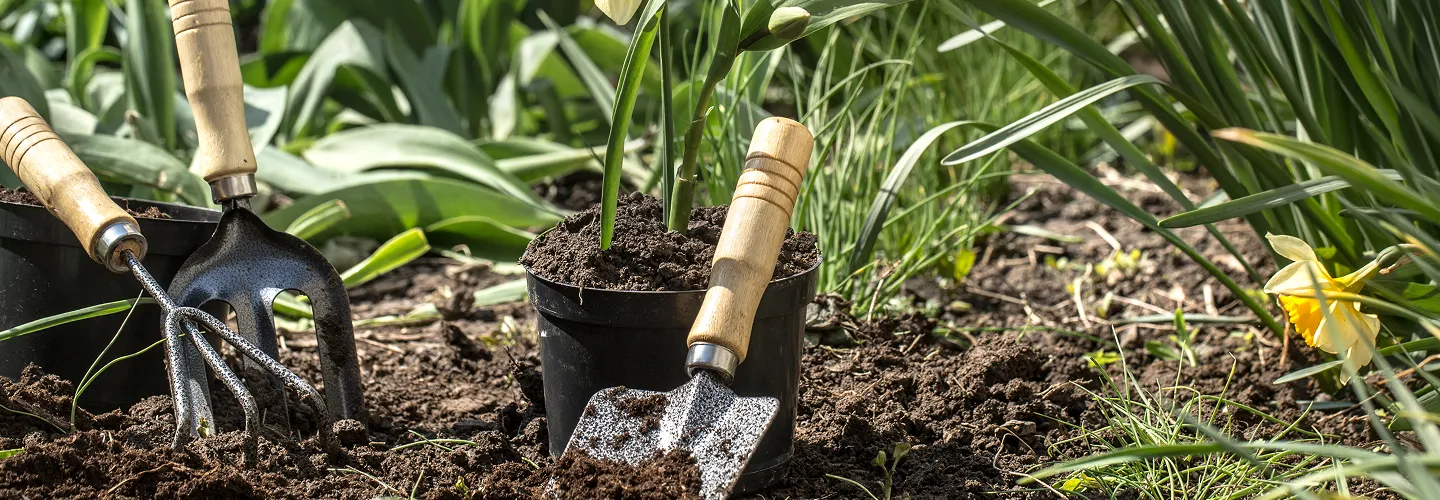
Dallas Flower Bed Maintenance Services
Choose our Flower Bed Maintenance for expert care, seasonal color, and weed-free beauty—so you can enjoy a thriving, picture-perfect landscape without the hassle.
Get a Free QuoteOur Dallas Landscaping & Yard Care Services
When to Schedule Flower Bed Maintenance in Dallas, Georgia – Seasonal Guide
In Dallas, Georgia, timing your flower bed maintenance is crucial for vibrant, healthy landscapes. The region’s climate features mild winters and hot, humid summers, making early spring and late fall the optimal periods for most maintenance tasks. For neighborhoods near Sara Babb Park or along the shaded streets of Seven Hills, it’s important to consider the last frost date—typically in late March—before planting or mulching. Summer’s high humidity and occasional droughts can stress plants, so scheduling major work before these extremes helps ensure lasting results.
Local soil types, ranging from clay-heavy in Cedarcrest to loamier mixes near Dallas City Park, also influence when and how to amend beds. Shade coverage from mature oaks in Oakleigh or the open, sun-drenched yards of Evans Mill can affect plant selection and maintenance frequency. For more information on local environmental guidelines, visit the official municipal resource.
Local Factors to Consider for Flower Bed Maintenance in Dallas
- Tree density and shade coverage (e.g., Oakleigh vs. Evans Mill)
- Soil composition (clay vs. loam)
- Average precipitation and drought risk
- Frost dates and seasonal temperature swings
- Terrain and drainage patterns
- Municipal restrictions or neighborhood association guidelines
Benefits of Flower Bed Maintenance in Dallas
Enhanced Curb Appeal
Weed and Pest Control
Seasonal Plant Health
Professional Design Expertise
Time and Effort Savings
Increased Property Value
Dallas Flower Bed Maintenance Types

Seasonal Flower Planting
-
Weed Control Services
-
Mulching and Soil Conditioning
-
Pruning and Deadheading
-
Fertilization Programs
-
Pest and Disease Management
-
Irrigation System Maintenance
Our Flower Bed Maintenance Process
Site Evaluation
Weed Removal
Soil Preparation
Plant Care
Mulching
Why Choose Dallas Landscape Services
-
Dallas Homeowners Trust Us
-
Expert Lawn Maintenance
-
Competitive Pricing
-
Professional Team
-
Satisfaction Guarantee
-
Personalized Service
-
Reliable Scheduling
Dallas Red Clay Soils and Soil Amendment Practices for Flower Beds
Dallas, Georgia sits within the Piedmont physiographic region, where the predominant soil series include Cecil, Appling, and Madison soils — all characterized by dense red clay subsoils with limited natural drainage and a tendency toward compaction under foot and equipment traffic. According to the USDA Web Soil Survey, these soils typically carry a pH range of 5.5 to 6.0, which is moderately acidic and can restrict nutrient availability for many flowering plants. Flower bed maintenance in Dallas must account for these conditions through targeted soil amendment practices:
- Incorporate 3–4 inches of aged compost or pine bark fines into bed soil annually to improve drainage and organic matter content
- Apply lime only after a soil test confirms pH correction is needed; UGA Extension recommends testing every 2–3 years
- Avoid tilling wet clay soils, which destroys structure and worsens compaction
- Raised bed construction of 6–10 inches above grade can significantly improve drainage in low-lying areas
UGA Cooperative Extension provides soil testing services and region-specific amendment guidance for Paulding County residents.
Seasonal Timing for Flower Bed Maintenance in Dallas's USDA Zone 7b Climate
Dallas, GA falls within USDA Plant Hardiness Zone 7b, as confirmed by the USDA Plant Hardiness Zone Map, with average annual minimum temperatures ranging from 5°F to 10°F. This zone designation shapes the entire seasonal calendar for flower bed maintenance. The National Weather Service Peachtree City forecast office serves this region and provides localized frost and freeze advisories relevant to planting decisions. Key seasonal benchmarks for Dallas flower beds include:
- Late February–March: Begin cutting back ornamental grasses and removing winter-killed annuals; apply pre-emergent herbicide to beds before soil temperatures reach 55°F
- April–May: Primary planting window for warm-season annuals such as vinca, pentas, and zinnias after last frost risk passes (typically mid-March to early April)
- June–August: Deadhead spent blooms weekly; monitor for fungal issues driven by Dallas's high summer humidity; mulch beds to 2–3 inches to retain moisture
- October–November: Transition to cool-season annuals such as pansies and snapdragons; cut back summer perennials after first frost
Timing bed maintenance tasks to these seasonal windows reduces plant stress and supports sustained bloom performance throughout Dallas's long growing season.
Protecting Dallas Stormwater Infrastructure During Flower Bed Maintenance
Dallas's stormwater management infrastructure — including roadside drainage ditches, curb inlets, and detention features — is administered by the Dallas Public Works Department. Flower bed maintenance activities that involve fertilizer application, herbicide use, or soil disturbance near drainage features carry potential water quality implications under the Clean Water Act and Georgia's stormwater regulations enforced by the Georgia EPD Watershed Protection Branch. Property owners and maintenance professionals should observe the following precautions:
- Apply granular or liquid fertilizers at least 10 feet from storm drain inlets, curb cuts, and drainage ditches
- Avoid applying herbicides or pesticides immediately before forecasted rainfall events of 0.5 inches or more
- Contain mulch and bed debris so it does not wash into street gutters or drainage channels
- Do not blow or rake bed clippings into roadside ditches, which can obstruct flow and introduce nutrients into local waterways
Dallas is located within the Upper Etowah River watershed, and runoff from residential and commercial properties contributes to downstream water quality conditions. Responsible bed maintenance practices directly support municipal stormwater compliance goals.
Dallas Public Works Department
City of Dallas, Dallas, GA 30132
Official Website: Dallas Public Works Department
Nuisance Vegetation, Overgrowth Ordinances, and Bed Maintenance Standards in Dallas
The City of Dallas enforces property maintenance standards through its municipal code, administered by the Dallas Code Ordinances office. Flower beds that are left unmaintained — with overgrown weeds, dead plant material, or invasive species encroaching onto adjacent properties or rights-of-way — may be subject to code enforcement action. Property owners should be aware of the following compliance considerations:
- Weeds and rank vegetation exceeding established height thresholds on improved lots may constitute a code violation; verify current thresholds directly with the code enforcement office
- Invasive species such as English ivy (Hedera helix), Chinese privet (Ligustrum sinense), and Japanese honeysuckle (Lonicera japonica) are documented concerns in Paulding County; UGA Extension's Invasive Species resources provide identification and removal guidance
- Bed areas adjacent to public sidewalks and rights-of-way must be maintained to avoid obstructing pedestrian access or sightlines
- Organic debris from bed cleanouts should not be deposited in street gutters or on neighboring properties
Dallas Code Ordinances
City of Dallas, Dallas, GA 30132
Official Website: Dallas Code Ordinances
Selecting Heat- and Humidity-Tolerant Plants for Dallas Flower Beds
Dallas experiences hot, humid summers with average July high temperatures near 90°F and significant overnight humidity that can promote fungal disease in susceptible plant species. Selecting plants adapted to these conditions is essential for sustainable flower bed maintenance. The Georgia EPD and UGA Extension both encourage the use of regionally adapted and native species that require fewer inputs and support local pollinators. Recommended plant categories for Dallas flower beds include:
- Heat-tolerant annuals: Vinca (Catharanthus roseus), pentas, portulaca, and celosia perform reliably through Dallas's summer heat
- Native perennials: Black-eyed Susan (Rudbeckia hirta), coneflower (Echinacea purpurea), and native salvia species are well-adapted to Piedmont conditions and require minimal supplemental irrigation once established
- Shade-tolerant options: Caladiums, impatiens (downy mildew-resistant varieties), and begonias suit the partial-shade conditions common under Dallas's mature tree canopy
- Avoid: Plants with high moisture requirements in poorly drained clay areas without prior soil amendment
The Dallas City Tree Board supports community beautification efforts and may provide guidance on plant selections compatible with the city's urban forestry goals.
What Neighborhoods Do We Serve Throughout Dallas, GA?
- Downtown Dallas: Older established lots with compacted soils and mature shade trees; flower beds often require regular amendment and shade-tolerant plant selections suited to reduced sun exposure.
- Burnt Hickory Road Corridor: A mix of established subdivisions and newer commercial development; beds in this area frequently contend with clay-heavy fill soils and variable drainage from grading activity.
- Puckett's Mill area: Newer residential subdivisions with disturbed construction soils; organic matter deficits are common, requiring consistent compost incorporation for productive flower bed establishment.
- Cedarcrest Road neighborhoods: Wooded residential lots with significant leaf load and root competition from mature hardwoods; mulch management and root-zone awareness are important maintenance considerations.
- Villa Rica Highway corridor: Mixed residential and commercial frontage properties where right-of-way bed maintenance and stormwater inlet proximity require careful fertilizer and debris management.
- Hiram-Acworth Highway area: Transitional suburban neighborhoods with varying lot ages and soil conditions; some properties near drainage corridors require buffer-aware maintenance practices.