
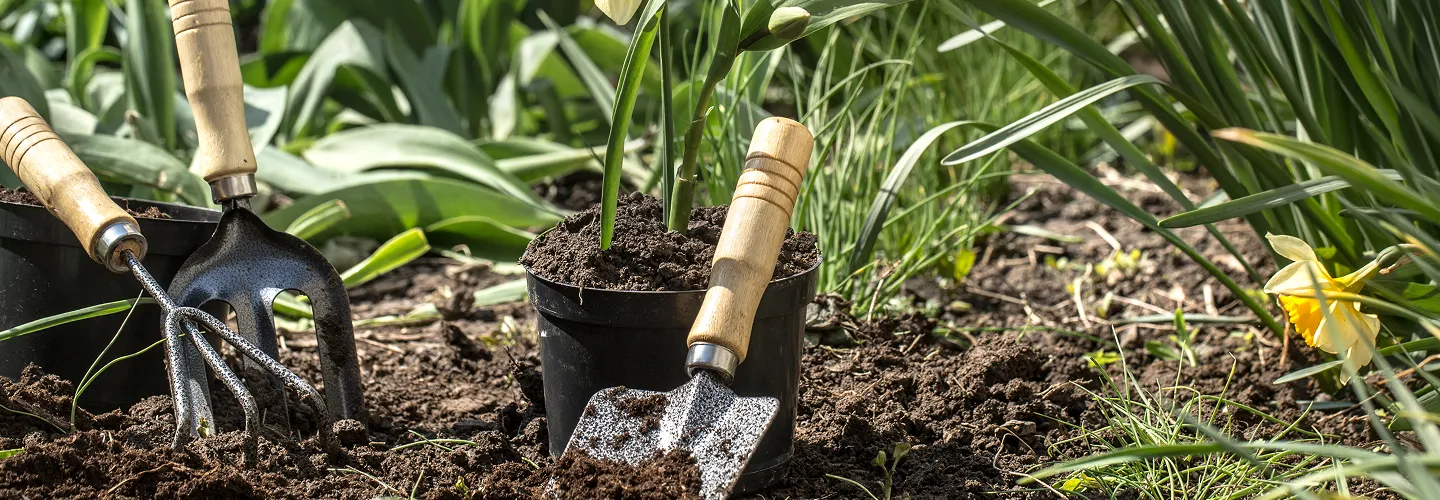
Dallas Lawn Renovation Services
Choose our expert lawn renovation services in Dallas for a lush, healthy yard that boosts your curb appeal and creates a welcoming outdoor space for your family and guests.
Get a Free QuoteOur Dallas Landscaping & Yard Care Services
When to Schedule Lawn Renovation in Dallas, Georgia – Seasonal Guide
In Dallas, Georgia, timing your lawn renovation is crucial for achieving a lush, healthy yard that thrives year-round. The best periods for renovation typically fall in early spring and early fall, when soil temperatures are moderate and rainfall is more predictable. These windows allow new grass seed or sod to establish strong roots before the intense summer heat or winter frost sets in. Dallas’s climate, characterized by humid summers and mild winters, means that late March through early May and late September through October are often ideal for most lawn improvement projects.
Local environmental factors play a significant role in determining the optimal renovation schedule. For example, neighborhoods near Sara Babb Park or along the shaded streets of Cedarcrest Road may experience more shade coverage, affecting grass growth and soil moisture. Dallas’s clay-heavy soils can retain water, increasing the risk of compaction, especially after heavy spring rains. Homeowners should also be mindful of the region’s average last frost date in early April and the potential for late-summer droughts. For more information on local climate and municipal guidelines, visit the official city resource.
Local Factors to Consider for Lawn Renovation in Dallas
- Tree density and shade coverage, especially in established neighborhoods like Seven Hills
- Soil type and drainage, with clay soils common throughout Paulding County
- Seasonal precipitation patterns and drought risk
- Terrain and slope, which can impact water runoff and erosion
- Municipal restrictions or watering schedules
- Proximity to landmarks such as Dallas City Dog Park, which may influence soil compaction and foot traffic
Benefits of Lawn Renovation in Dallas
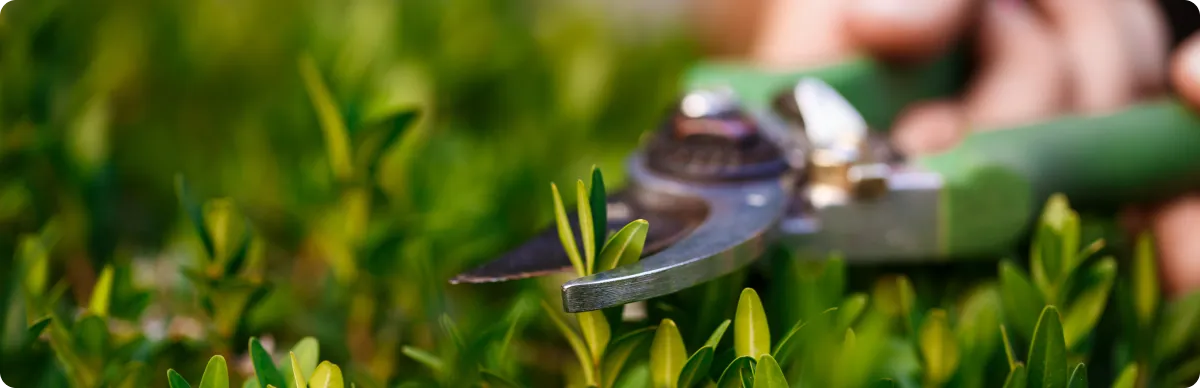
Enhanced Curb Appeal
Improved Soil Health
Weed and Pest Reduction
Increased Property Value
Customized Lawn Solutions
Expert Local Knowledge
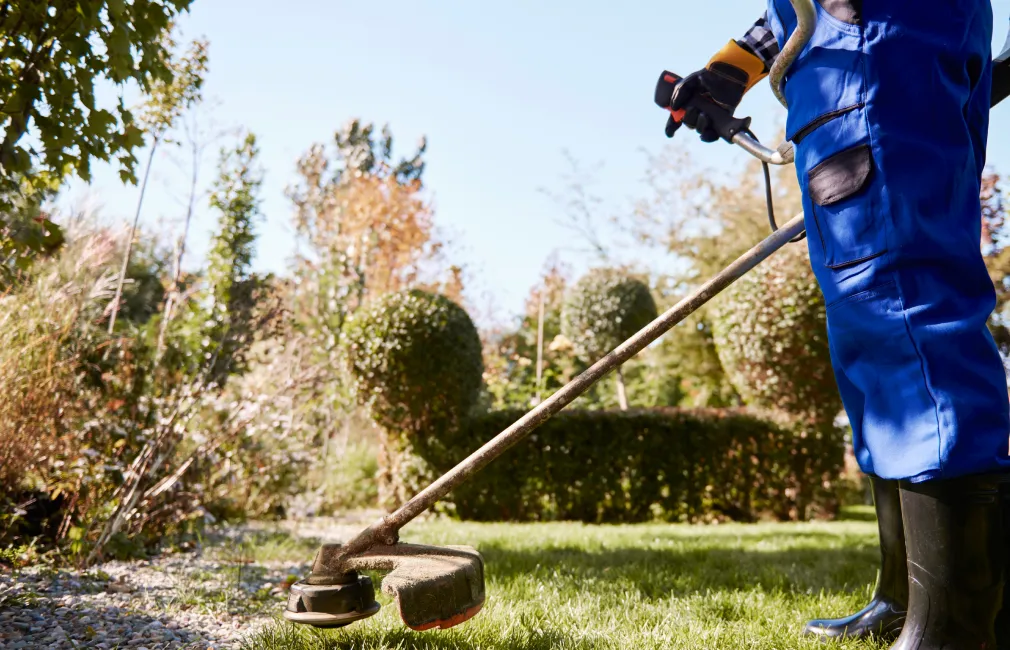
Dallas Lawn Renovation Types

Sod Installation
-
Hydroseeding
-
Soil Aeration
-
Overseeding
-
Dethatching
-
Topdressing
-
Complete Lawn Replacement
Our Lawn Renovation Process
Site Evaluation
Soil Preparation
Seeding or Sodding
Watering and Fertilization
Ongoing Maintenance
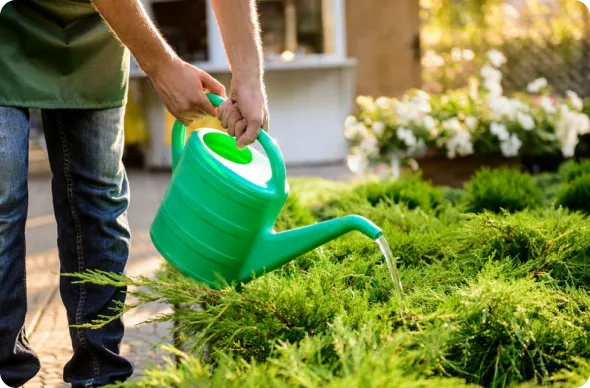
Why Choose Dallas Landscape Services
-
Dallas Homeowners Trust Us
-
Expert Lawn Maintenance
-
Competitive Pricing
-
Professional Team
-
Satisfaction Guarantee
-
Personalized Service
-
Reliable Scheduling
Dallas Red Clay Soils and Soil Preparation Standards for Lawn Renovation
Dallas, Georgia sits within the Piedmont physiographic region of Paulding County, where soils are predominantly Cecil and Appling series — dense, red clay-based Ultisols with naturally low pH levels typically ranging from 5.0 to 6.0. According to the USDA Web Soil Survey, these soils exhibit high compaction potential and limited infiltration capacity, which directly affects the success of lawn renovation projects. Before seeding, sodding, or overseeding, property owners should take the following preparatory steps:
- Conduct a soil test through UGA Cooperative Extension to determine pH and nutrient deficiencies
- Apply lime at rates recommended by extension results, typically 50–100 lbs per 1,000 sq ft for acidic Piedmont soils
- Perform deep core aeration (3–4 inch depth) to break compaction layers before seed or sod installation
- Incorporate organic matter or compost to improve drainage and root penetration in clay-heavy areas
Addressing soil structure before renovation is essential to long-term turf establishment in Dallas's Piedmont clay conditions.
Optimal Timing for Lawn Renovation in Dallas's Warm-Season Turf Climate
Dallas falls within USDA Plant Hardiness Zone 7b, as confirmed by the USDA Plant Hardiness Zone Map, supporting warm-season grasses such as Bermudagrass, Zoysiagrass, and Centipedegrass as the dominant turf types. Renovation timing is critical to establishment success in this climate. Key timing guidelines include:
- Sod installation: Best performed between late April and mid-September when soil temperatures exceed 65°F and warm-season grasses are actively growing
- Seeding Bermudagrass: Optimal window is May through July when daytime temperatures consistently reach 80–95°F
- Overseeding with ryegrass: Conduct in October through early November for temporary winter cover
- Aeration and dethatching: Schedule in late spring (May–June) when warm-season turf has broken dormancy and can recover quickly
The National Weather Service Peachtree City forecast office provides local temperature and precipitation data useful for planning renovation windows. Avoid renovation work during drought stress periods or immediately before forecast heavy rainfall events.
Stormwater and Runoff Compliance During Lawn Renovation Near Dallas Drainage Corridors
Dallas contains several drainage corridors and stormwater infrastructure managed in part by the Dallas Public Works Department, which oversees stormwater management and utility services throughout the city. Lawn renovation activities — including grading, soil disturbance, seeding, and sod installation — can generate sediment runoff that enters storm drains and local tributaries if not properly managed. Property owners and contractors must observe the following precautions:
- Install silt fencing or erosion control blankets on slopes greater than 3:1 before beginning soil disturbance
- Avoid bare soil exposure for more than 14 days; apply straw mulch or erosion netting immediately after seeding
- Keep fertilizer and soil amendments at least 10 feet from storm drain inlets, drainage ditches, and low-lying areas
- Comply with the Clean Water Act and EPA NPDES Program requirements for land disturbance activities
The Georgia EPD Watershed Protection Branch provides additional guidance on erosion and sediment control standards applicable to residential and commercial renovation projects.
Dallas Public Works Department
City of Dallas, Dallas, GA 30132
Official Website: Dallas Public Works Department
Navigating Dallas Community Development Review for Larger Lawn Renovation Projects
Lawn renovation projects that involve significant grading, land disturbance, or changes to drainage patterns may require review through the Dallas Community Development department, which administers planning, zoning, permitting, and development review for the city. While routine residential lawn renovation — such as overseeding or sod replacement — typically does not require a permit, the following scenarios may trigger review:
- Regrading or leveling that alters existing drainage flow patterns across property lines
- Installation of retaining walls exceeding local height thresholds (verify current limits with the department)
- Projects within or adjacent to identified floodplain areas or drainage easements
- Commercial or multi-family property renovations involving significant impervious surface changes
Property owners should also consult the Dallas Building Permits office to confirm whether any grading or earthwork associated with renovation requires a permit prior to commencement. The Dallas Planning Commission may be involved in larger-scale development-adjacent projects.
Dallas Community Development
City of Dallas, Dallas, GA 30132
Official Website: Dallas Community Development
Georgia Fertilizer Standards Applicable to Post-Renovation Turf Nutrition Programs
Following lawn renovation in Dallas, establishing a compliant fertilization program is essential for turf recovery and long-term health. The Georgia Fertilizer Act of 1997 governs the labeling, registration, and sale of fertilizer products in Georgia, and the Georgia Department of Agriculture - Fertilizer program enforces these standards. Property owners and managers should follow these post-renovation nutrition guidelines:
- Apply starter fertilizer (high phosphorus formulation) at seeding or sod installation to support root development
- Base nitrogen applications on UGA Extension soil test recommendations — typically 1 lb of nitrogen per 1,000 sq ft per application for Bermudagrass
- Avoid applying nitrogen fertilizer after September 1 on warm-season turf to prevent late-season growth vulnerable to frost damage
- Use slow-release nitrogen formulations to reduce runoff risk in Dallas's clay soils with limited infiltration capacity
- Confirm that any fertilizer product used is registered with the Georgia Department of Agriculture before application
Adhering to label rates and application timing protects both turf health and local water quality in Paulding County's drainage network.
What Neighborhoods Do We Serve Throughout Dallas, GA?
- Downtown Dallas and Historic Core: Older residential lots near the city center often feature compacted soils and established turf that may require dethatching and aeration before renovation can be effective.
- Burnt Hickory Road Corridor: Newer subdivisions along this growth corridor frequently contain disturbed fill soils with poor organic matter content, requiring soil amendment prior to sod or seed installation.
- Cedarcrest Road Area: Mixed residential development with varying lot sizes and drainage patterns; properties near low-lying areas should prioritize erosion control during renovation.
- Seven Hills and Surrounding Subdivisions: Large planned communities with HOA frontage standards where turf renovation must meet community appearance requirements and may involve coordination with HOA guidelines.
- Pumpkinvine Creek Vicinity: Properties near Pumpkinvine Creek and its tributaries require careful sediment and runoff management during renovation to protect this local drainage corridor.
- Villa Rica Highway Corridor: Active commercial and residential growth zone with newer construction lots that commonly exhibit compacted subsoil and limited topsoil depth, requiring soil preparation before renovation.
- Nebo Road and North Dallas Areas: Wooded residential lots with significant shade canopy pressure, where shade-tolerant turf varieties such as Zoysiagrass may be more appropriate for renovation than full-sun Bermudagrass.